11% discount  on hanging lights and floor lights
Code: MARCH
Save now
info

LED Light Bulbs

LED light bulbs for all types of lamps

LED light bulbs are now the most common light source when it comes to energy-efficient lighting, long service life and versatile designs. Compared to previous conventional light sources such as incandescent light bulbs, halogen bulbs, high-pressure bulbs or energy-saving light bulbs (compact fluorescent lamps), LEDs offer

  • significantly better efficiency,
  • lower power consumption and
  • more options in terms of light color, shape and illumination.

How do LEDs differ from incandescent bulbs, halogen bulbs and energy-saving light bulbs?

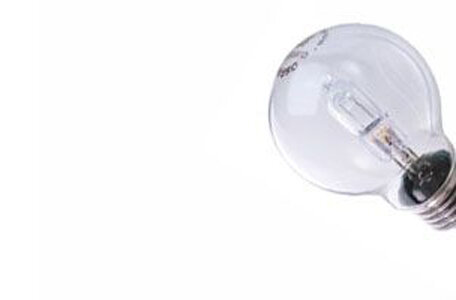
LED stands for ‘light-emitting diode’: an LED is an electronic component that can generate light as soon as electricity flows through it. In contrast, conventional incandescent light bulbs generate light via a glowing wire. Although this creates a warm and cosy atmosphere reminiscent of candlelight, it is technically inefficient: a large proportion of the energy is emitted as heat rather than light.

LED filament light bulbs: vintage look with modern technology

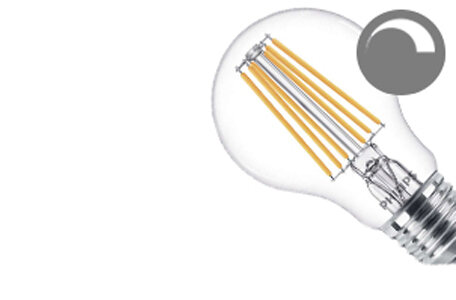
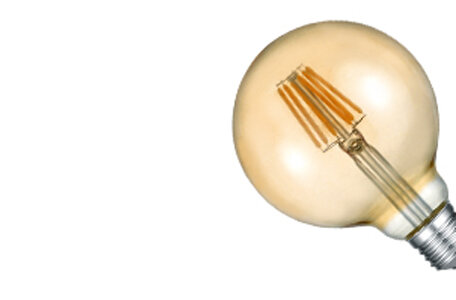
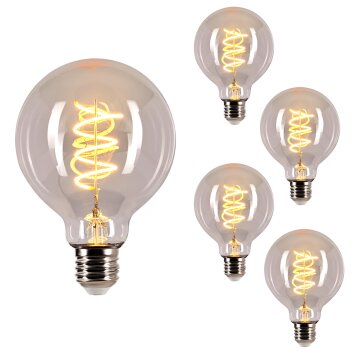
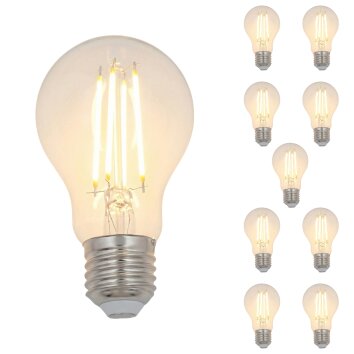
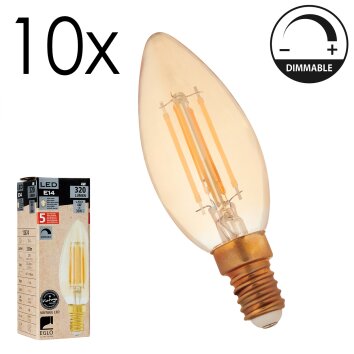
Filament bulbs are light bulbs with an incandescent look, bridging the gap between classic aesthetics and modern LED technology. They look like old light bulbs because they contain ‘filament’ rods that act like filaments. In fact, however, these are LED elements that produce very uniform light.

What should you look for when buying LED light bulbs?

When buying LED light bulbs, it's not just a question of ‘bright or not bright’. The decisive factors are which light bulb is suitable for which lamp, what requirements apply in the room and which light color makes the environment appear pleasant. Important selection criteria are:


The most important specification for LEDs is the light output in lumens (lm). In the past, brightness was often estimated based on wattage. This does not work reliably with LEDs because their efficiency varies greatly.

Rule of thumb for comparison (for guidance only):

  • approx. 400–500 lm ≈ old 40-watt incandescent bulbs
  • approx. 800–1,000 lm ≈ old 60-watt incandescent light bulbs
  • approx. 1,500 lm ≈ old 100-watt incandescent light bulbs

The higher the light output, the brighter the lamp appears, regardless of the power in watts.

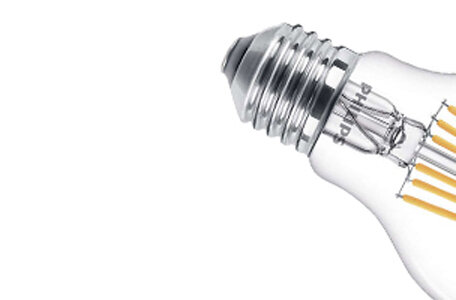
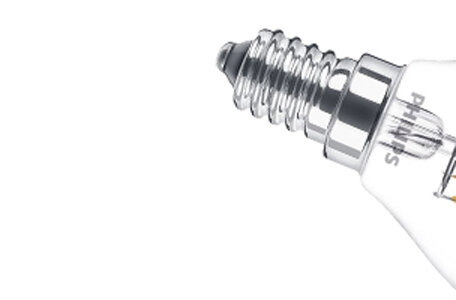
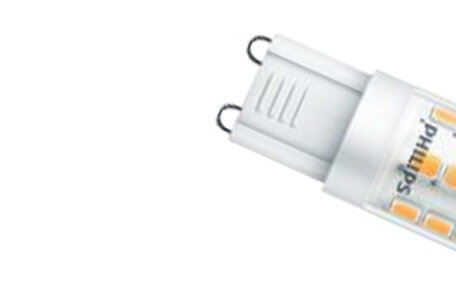
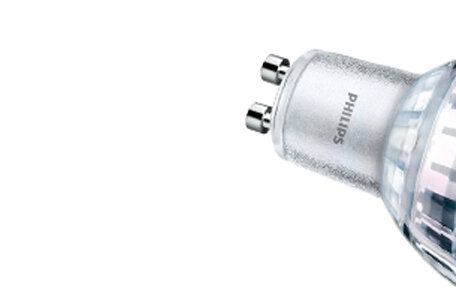
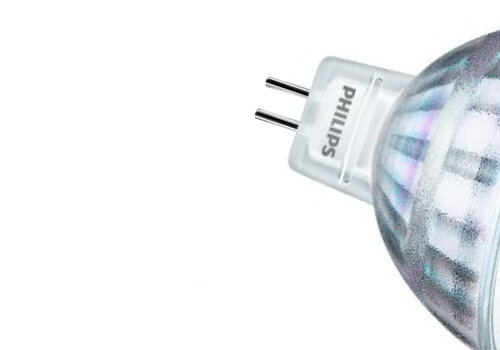
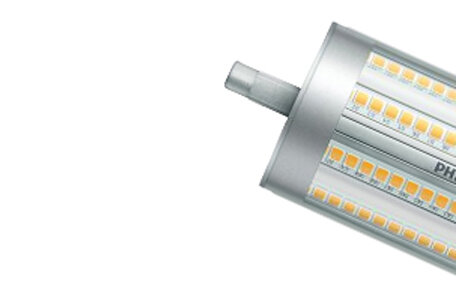
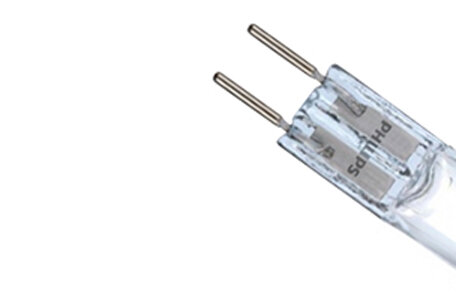
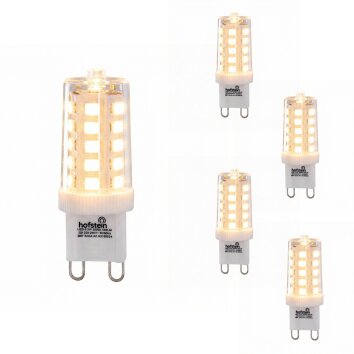
For an LED light bulb to be a suitable replacement, the socket must be correct. Common base types include E27, E14, GU10, GU5.3 and G9. Tubes often use G13 or other variants.

The shape is also important: some lamps are compact, meaning that a large light bulb will not fit. With reflectors and spotlights, the shape also determines how the light is distributed.

The colour temperature is given in Kelvin:

  • Warm white (approx. 2,700–3,000 K): warm, cosy light, ideal for bedrooms and living rooms
  • Neutral white light (approx. 3,500–4,000 K): functional, clear, good for kitchens, bathrooms and hallways
  • Daylight white (from approx. 5,000 K): very bright, rather cool white effect, ideal for workshops, commercial premises or concentrated work

The beam angle determines whether an LED spreads widely or works more like a spotlight:

  • Narrow angle: targeted beams of light for spot and accent lighting
  • Wide angle: even illumination of surfaces and rooms

Not every LED light bulb is dimmable. If a dimmer is available, the lamp must be explicitly marked as dimmable. In addition, many older dimmers are designed for halogen bulbs and can cause problems with LEDs (e.g. flickering).

Advantages of energy-efficient LED bulbs

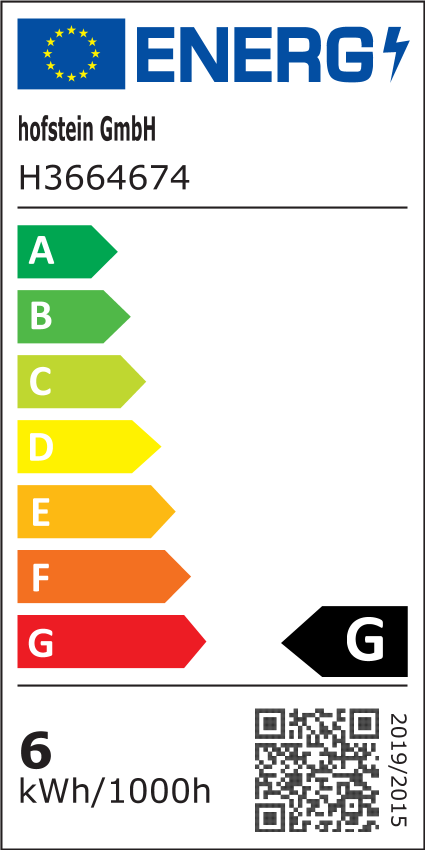
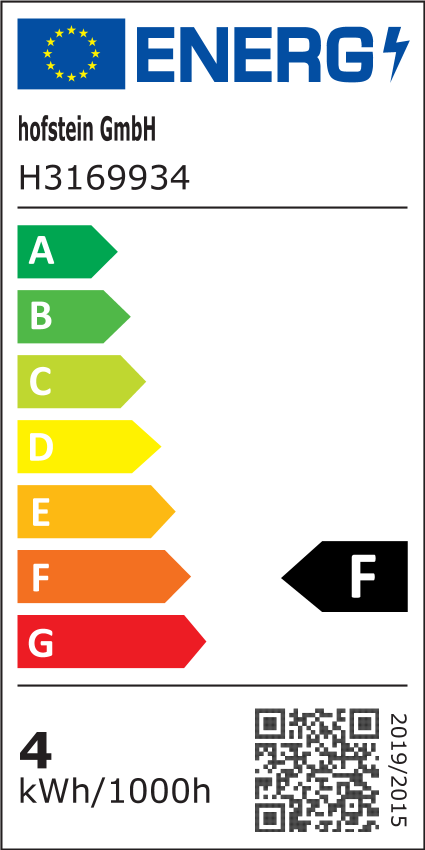
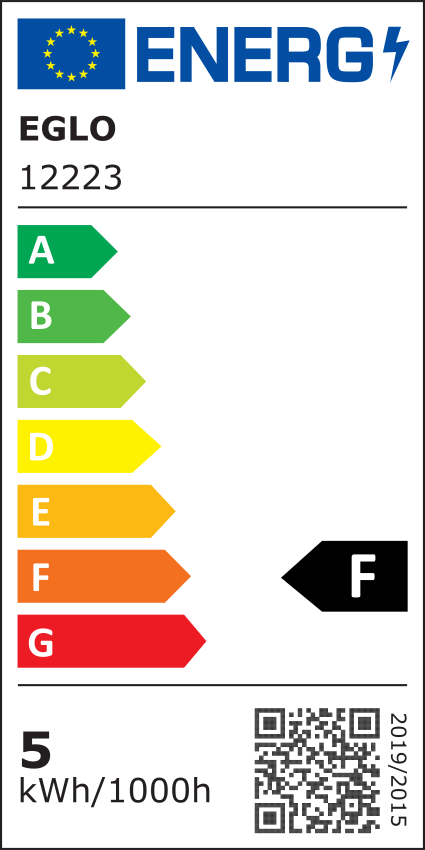
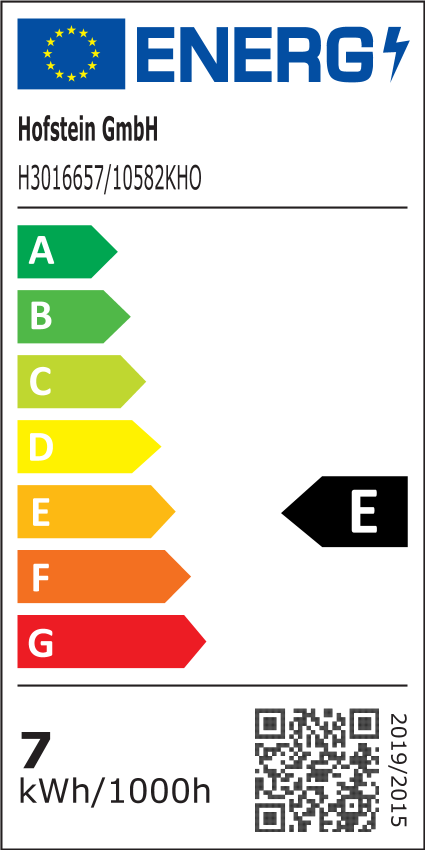
LED light bulbs are energy-saving because they achieve high luminous efficacy per watt. This significantly reduces power consumption, especially when many light bulbs are in use or the lighting is on for long periods during the day.

Advantages at a glance:

  • Significantly lower energy consumption
  • Long service life (often many thousands of hours)
  • Lower heat generation
  • Good light quality and many variants

Frequently asked questions about LED light bulbs

LED light bulbs offer many advantages, but they also raise practical questions in everyday use. Whether it's flickering, dimmer compatibility or permanently integrated LED light bulbs: the following answers provide clear explanations and helpful background information.

LED light bulbs are usually easy to recognise:

  • The packaging states the lumen (lm) rating, colour temperature in Kelvin, and often also whether the light bulb is Dimmable or the beam angle.
  • The wattage is significantly lower than that of incandescent or halogen light bulbs in relation to brightness.
  • ‘LED’ is clearly indicated, as are the base type and socket.

There are more reasons why LED light bulbs may flicker. It is often due to the interaction between the LED technology and the existing electrical system. Typical cases:

  • The dimmer is not suitable for LEDs or is operating outside the optimal range.
  • The LED is not dimmable, but is being operated in dimmed mode.
  • Fluctuating voltage or inferior electronic components.
  • For tubes: incorrect driver or unsuitable conversion.

The following usually help: a suitable LED dimmer, a high-quality light bulb or a compatible model for the existing driver.

In many modern LED lamps, the LED is permanently installed (‘integrated’). There are technical reasons for this: The LEDs are directly matched to the heat sink, driver and optics to improve efficiency, service life and design. This allows lamps to be built flat, more compact and more energy-efficient.

The disadvantage: if the LED or driver is defective, a simple replacement, as is often the case with classic base light bulbs, is often not possible or not worthwhile. As a rule, the entire lamp must be replaced.

Selecting and purchasing LED light bulbs

LED light bulbs are currently the best choice for modern lighting. Energy efficiency, a long service life of 15,000 to 50,000 hours, and a wide range of colours, shapes and variants all speak in favour of this choice.

The key is to find the right combination of base type, lumen, light color, beam angle and dimming function. This creates light that suits the room and application: from filament lamps for cosy lighting to daylight white lighting for powerful spotlights for commercial and professional use.