A delicious ice cream, a refreshing dip in a lake or swimming pool, or a cool drink in the shade – when it’s hot, there are plenty of ways to cool down outdoors. A fan is the perfect solution to ensure you look forward to coming home on warm days and are well prepared to tackle the heat indoors too. Find out how to set it up and position it correctly to give you the best cooling effect!



How should you set up a fan?
Fans do not produce cool air themselves and therefore do not lower the temperature – they simply improve air circulation in the room, making you feel more comfortable. With these tips, you can avoid mistakes when using a fan for ventilation and achieve the greatest cooling effect:
- Floor fans with as large an angle of inclination as possible, such as oscillating models, are ideal as they create a draught that can be felt in every corner of the room.
- The fan works best when it stands on the floor and is tilted slightly towards the ceiling. This is because there are different layers of air in the room: warm air rises and cooler air stays at the bottom. The blades pointing upwards create a mixed airflow and prevent heat from accumulating at the ceiling.


- Match the size of the fan to the room size: For a large area, use a fan such as a large-diameter ceiling fan or multiple fans to cool the space effectively.
- As an alternative to air conditioning – which, unlike a fan, can be expensive and pose a health risk if not cleaned properly – you can help cool the room in particularly high temperatures by placing a bowl of water nearby or hanging a wet cloth near the fan. The air flowing out of the fan should not blow directly onto the cloth, but rather flow past it from the side. For a longer-lasting effect, the cloth must be replaced regularly. Some people find that the humidity provides greater cooling, whilst others, however, find the air muggy, meaning the cloth has the opposite effect. So just give it a try. If you use a wet cloth, make sure to ventilate the room well afterwards, e.g. at night, to prevent mould caused by high humidity.
Where should you place the fan?
The cooling effect of your fan depends on where you place it. You’ll achieve the most effective results with your fan in the following locations:
- In summer, the fan – whether a floor fan or a tower fan – should be placed on the shaded side of your house. As it doesn’t cool the air but merely circulates what’s already there, you should take care not to place it on the sunny side. Otherwise, the fan would simply be swirling the warm air around.
- Don’t place the fan by an open window during the day – the fan will simply blow the warm air from outside into the room.
- For a pleasant indoor climate during the day, it’s best to place your fan by the door: the hallway is usually cooler than the adjoining rooms, as the sun doesn’t shine in as strongly.
- A table fan shouldn’t be placed too close to you, so as not to dry out your mucous membranes and eyes. It’s therefore ideal if you have a long table and can position it at a distance from you.
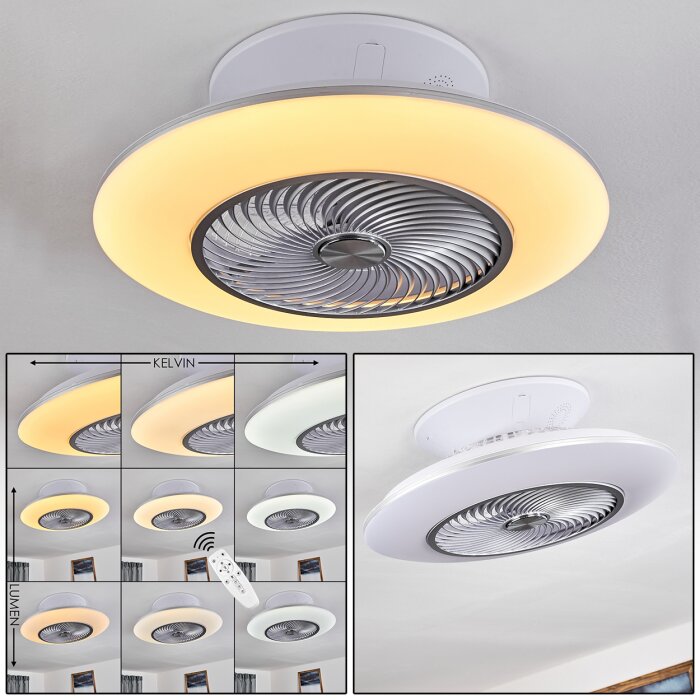
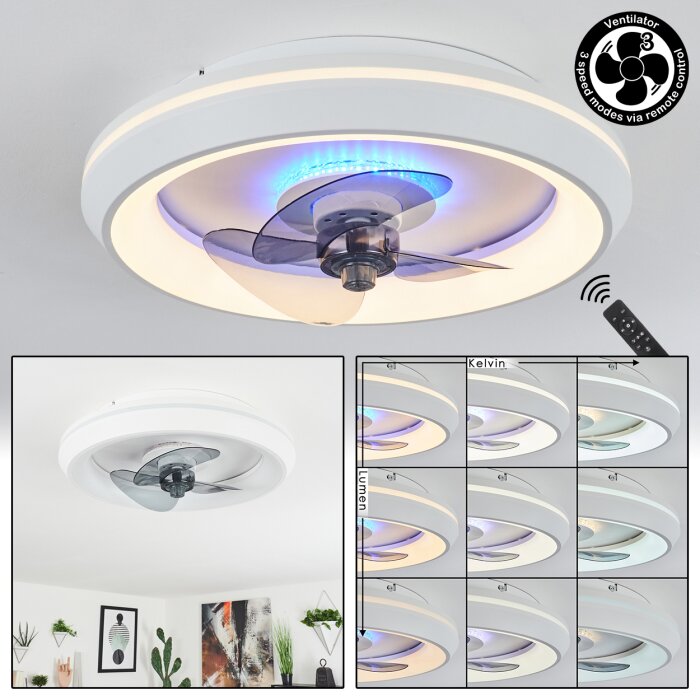
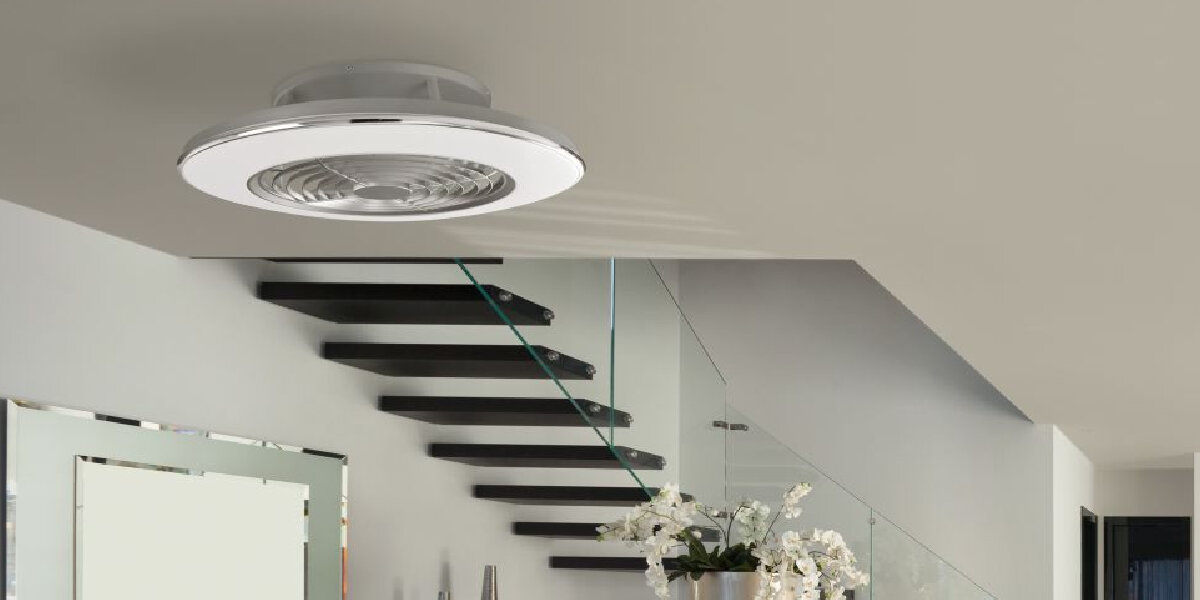
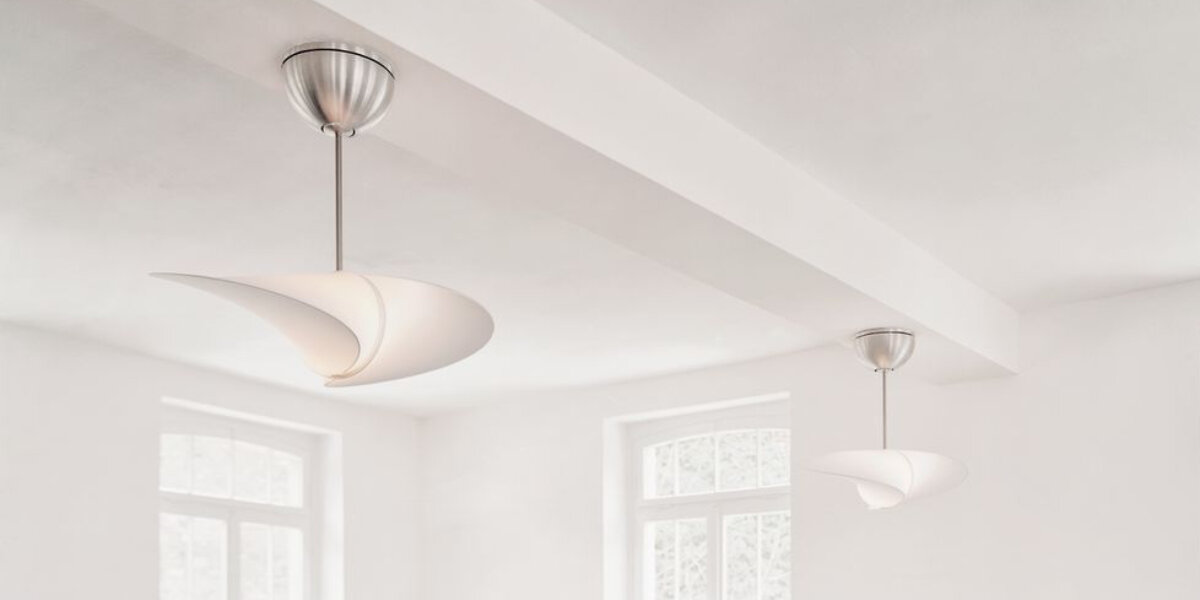
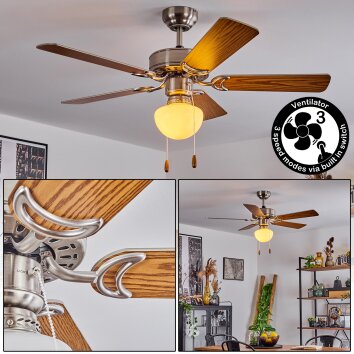
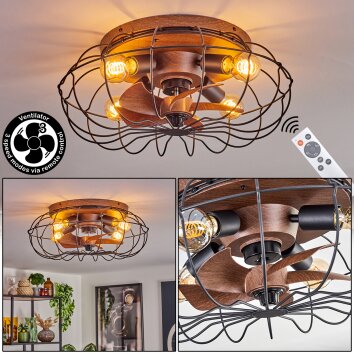
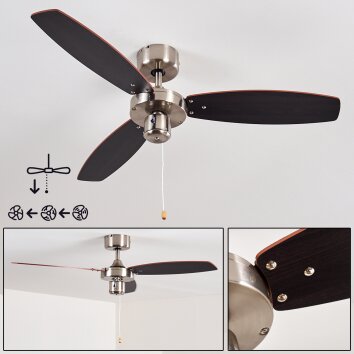
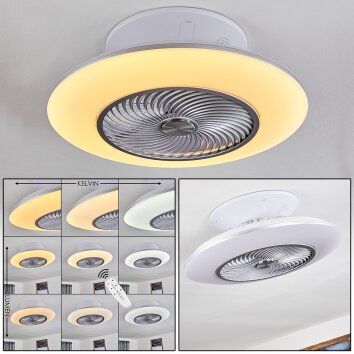
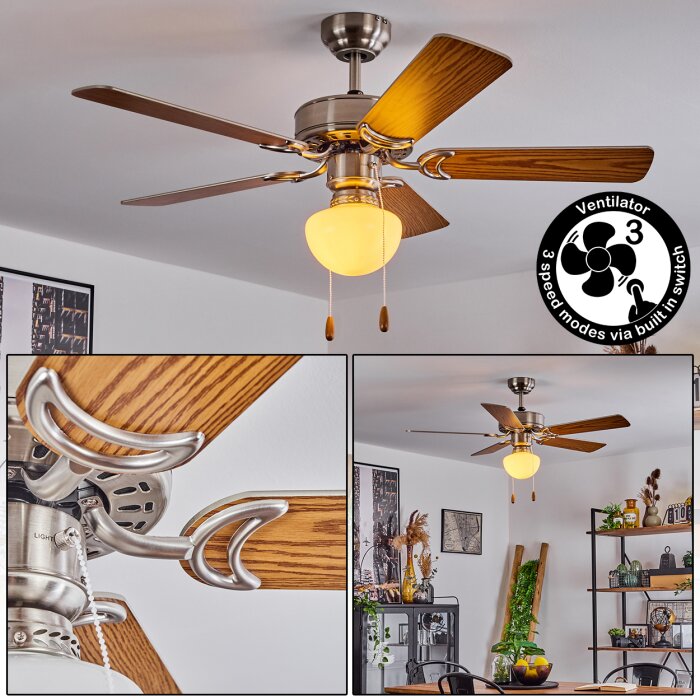
- Ceiling fans are best hung in the centre of the room. There are also models with lights, so there’s no space issue as you can combine your ceiling light with a fan.

Setting up a fan correctly in the bedroom
To ensure cool, comfortable air in your bedroom whilst you sleep, you can position the fan – such as a floor fan – in front of an open window in the evening before going to bed and leave it on until you go to sleep. This allows the fan to circulate the fresher evening air throughout your room and ensure a comfortable temperature as you drift off to sleep.
Quiet ceiling fans are also ideal for the bedroom; they circulate the warm air near the ceiling and create a comfortable atmosphere. Ceiling fans with lights are also useful and can provide cosy lighting.

Leaving the fan on at night
Leaving your fan on at night can be a mistake: whilst you may feel a cool draught on your body, which will certainly lull you gently to sleep, you could wake up with muscle tension or an illness. This is because if your neck or face is exposed to a constant draught, the mucous membranes in your nose or your eyes can dry out – making it easier for viruses and bacteria to take hold. What starts as a refreshing breeze can quickly turn into a cold or flu. People with allergies or asthma should also avoid leaving their fans on at night: they stir up not only the cool evening air, but also dust and pollen.
Our tip: A ceiling fan with a remote control and timer can be a soothing aid to falling asleep, as it doesn’t run all night but is adjustable for a short period. You can control it comfortably from your bed and switch it off before you fall asleep.