10% discount  on ceiling lights and floor lights
Code: LIGHT
Save now
info

Dusk-to-Dawn sensors: the benefits they offer

 
x-com
pinterest
whatsapp
mail-arrow
Dusk-to-Dawn sensors: the benefits they offer
 

What is a Dusk-to-Dawn sensor?

Dusk-to-Dawn sensors are sensors that switch electrical devices on and off at adjustable ambient light levels (brightness values). They are particularly useful outdoors, such as in the garden, when an LED outdoor light is fitted with a twilight switch. They ensure that the lighting switches on automatically when it gets dark and switches off again at daybreak.

How does a Dusk-to-Dawn sensor work?

An integrated light sensor (also known as a Dusk-to-Dawn sensor) measures the ambient brightness. If the brightness level falls below a certain threshold (e.g. at sunset), the light switches on automatically. The threshold can be individually adjusted on most models – for example, between 5 and 200 lux.

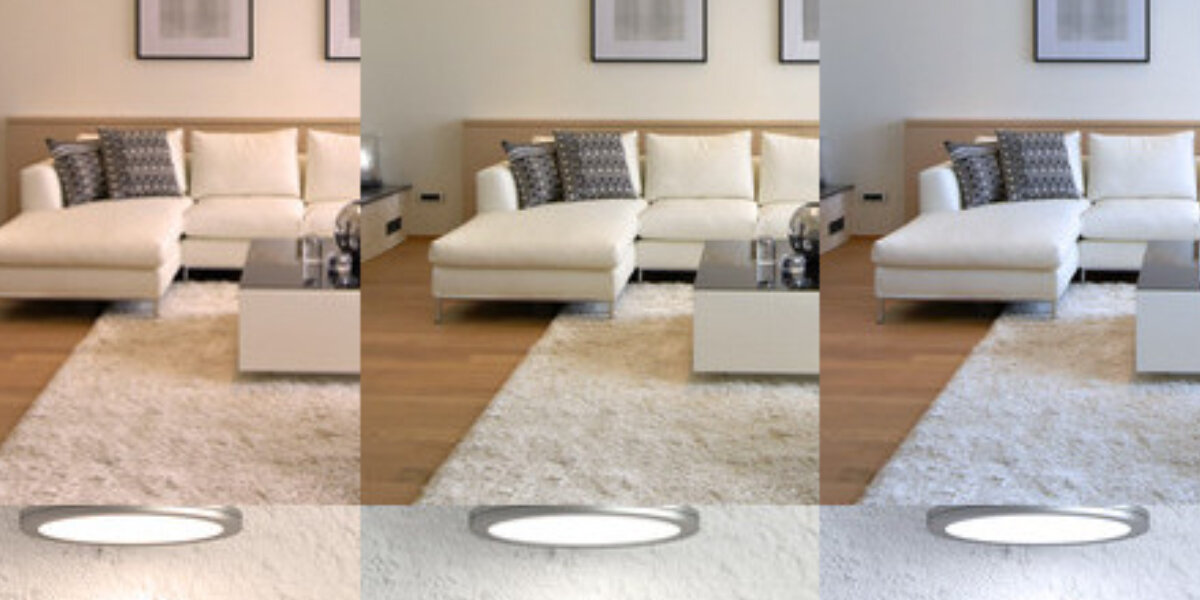
Lux (lx) is the unit of measurement for illuminance and indicates how much light (lumens) falls on a specific area. Read more in the article: What does lux stand for and how is the value calculated?

Handy tip: Dusk-to-Dawn sensors automatically adapt to changing light conditions throughout the seasons. Timers for automatic lighting control, on the other hand, often need to be readjusted. To ensure the lights do not stay on all night, twilight sensors can be effectively combined with timers.

Combining Dusk-to-Dawn sensors with timers

Dusk-to-Dawn sensors with timers can be set with pinpoint accuracy. At bedtime, the lighting then switches off automatically, only to come back on before dawn if required. Another clever feature is the time delay, which prevents car headlights or sudden shadows from triggering the twilight sensor by mistake.

Types of Dusk-to-Dawn sensors

There is a wide and varied selection of lamps with Dusk-to-Dawn sensors already built in. However, twilight sensors are also available separately; when purchasing, you must ensure that the products are compatible. If in doubt, it is best to check with the manufacturer or customer service. Whilst analogue models used to be common, digital Dusk-to-Dawn sensors are now the norm, and the following types are available:

  • as a plug-in adapter for sockets
  • as a built-in module for mounting on a DIN rail
  • for flush-mounted or surface-mounted installation outdoors (DIN-compliant)
  • with a combined function including a motion sensor

How do you connect a Dusk-to-Dawn sensor?

Safety first: To avoid safety risks, electrical installations outdoors should always be carried out by qualified personnel!

External twilight switches for retrofitting are compact components that can be fitted very discreetly, often even invisibly inside the lamp’s housing. With the right planning, it is easily possible to operate more lamps with the same Dusk-to-Dawn sensor, provided they use the same circuit. However, the switching load of the component must not be exceeded!

Note: The light from the lamps must not, of course, fall on the twilight sensor, so as not to disrupt its timing.

Ideally, the sensor should face north or east so that direct sunlight does not distort the brightness measurement. Reflections from window surfaces or the light from the lamps themselves should also be avoided.

Correct positioning is crucial:

  • not directly next to light sources
  • in an unobstructed view of the natural surroundings where possible
  • in sheltered areas, but not shaded by walls or plants

Tip: When choosing lamps for outdoors, look for a high appliance class (e.g. IP44 or higher) to ensure they are waterproof, dustproof and weather-resistant.

Popular Articles

Latest Articles