Whether in lighting, model making, or electronic devices—transformers ensure that the correct voltage reaches the devices. In this article, you’ll learn how a transformer works, what types are available, what to look for when buying one, and what’s important when it comes to LED lights, dimmable systems, and safety.
What is a transformer?
A transformer, also sometimes referred to as a "driver", is an electrical component used for voltage conversion. In Ireland and the UK, the mains voltage is 230 volts. However, many devices, particularly low-voltage lamps or certain LED lights, only operate at 6, 12 or 24 volts. In such cases, a transformer is required to convert the high mains voltage into a suitable, lower voltage.
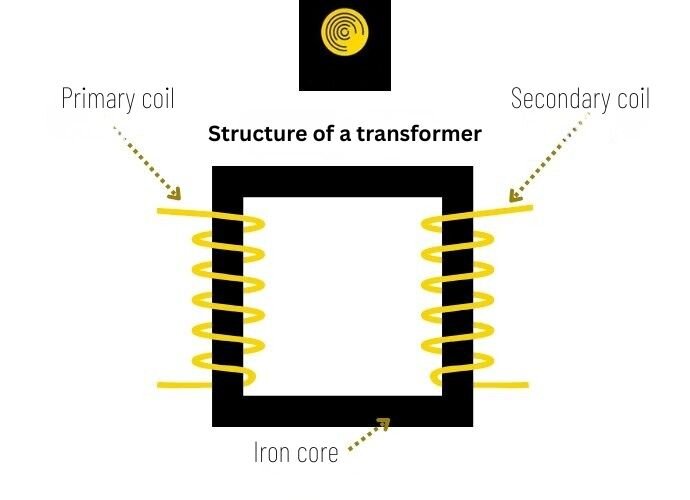
A classic transformer consists of a coil of copper wire wound around an iron core. This coil is divided into a primary winding (input) and a secondary winding (output). The number of windings determines the extent to which the voltage is converted.
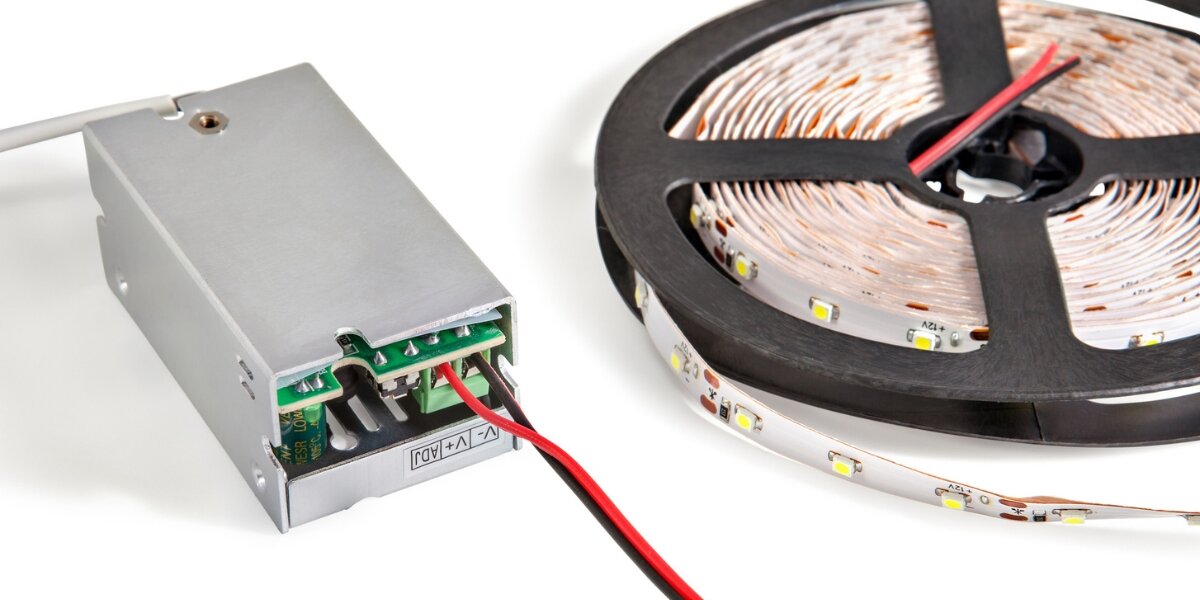
Nowadays, however, electronic transformers are increasingly being used. An electronic transformer operates using electronic components (such as transistors and circuits) that switch the current very rapidly – at a much higher frequency than the standard mains supply.
This offers the following advantages:
-
There is no longer any need for a heavy iron core.
-
The coils can be much smaller.
-
The whole device becomes lighter, smaller and cheaper.
Conventional transformers are still used, however, particularly where reliability and robustness are crucial. In many areas (especially in households and LED systems), however, they have been replaced by electronic transformers.
How a transformer works
A transformer only works with alternating current (AC). When this current is passed through the primary coil, a magnetic field is created which is converted back into current in the secondary coil – albeit at other voltage levels. This makes it possible to convert a high input voltage into a lower output voltage (e.g. 230 V to 12 V).
For direct current (DC), power supply units or converters are required, as a standard transformer does not operate with DC.
Transformers for LED bulbs
Modern LED bulbs place special demands on transformers. Conventional transformers, which were previously used with halogen bulbs, are often unsuitable for LEDs. If in doubt, you should always consult a specialist.
Here, you should specifically look for LED transformers or LED power supply units designed for operation with constant voltage (e.g. 12 V DC) or constant current.
When purchasing, pay attention to:
-
Voltage: The voltage at the transformer’s output must match your lamps exactly. If it says, for example, ‘12 V AC’, you need 12 volts of alternating current (AC). It is also possible to power more LED lamps via a single transformer. If you wish to connect more LED lamps, add up the total power and choose a transformer with a little reserve (10–20%).
-
Power in watts: The power rating of the transformer indicates how much energy it can supply, e.g. 60 watts.
-
Compatibility with dimmable bulbs: Not every transformer is suitable for dimmable lighting. And even if the driver is dimmable, it may not be compatible with every dimmer. Look for the ‘Dimmable’ specification on the transformer.
-
Minimum load (especially for electronic transformers): Many electronic transformers require a specific minimum power rating (e.g. at least 20 watts) to function at all.
Connecting more transformers in parallel – is that possible?
As a general rule: Connecting transformers in parallel is tricky and is only recommended in exceptional cases. Differences in voltage or internal resistance can lead to unwanted current flow between the transformers – this can be dangerous or cause a fault.
Such wiring should only be planned and carried out by a qualified electrician. Anyone experimenting with this themselves risks not only causing a fault but also compromising the safety of the entire electrical installation.
If you need more power, it is better to use a larger transformer or to distribute the loads across more separate circuits, each with its own transformer.
FAQ: Frequently asked questions about transformers
These questions are frequently asked:
Transformers are not only used in lighting. You’ll also find them in
-
model railways and toys,
-
battery chargers,
-
audio equipment,
-
small household appliances or
-
devices operating on safety extra-low voltage.
In industry, too, many machines run on special transformers that are precisely tailored to their operation.
A conventional transformer can last for many years, often more than a decade. Electronic transformers are usually short-lived, but they are inexpensive and versatile.
A power adapter or Mains adapter also converts the type of current (e.g. from AC to DC). A classic transformer only changes the voltage in the case of alternating current.
No. It depends on the voltage, type of current, power and the design of the lamp. Always check the technical specifications!
Conclusie: Use transformers correctly
A transformer is a key component for a safe power supply. If you are unsure which transformer you need for which device, you should contact the manufacturer, the retailer or a specialist.