
9% discount  on all outdoor lights
Code: OUTDOOR
Shop now!
info

Dimmable lights: Which dimmer is suitable for which light?

 
x-com
pinterest
whatsapp
mail-arrow
Dimmable lights: Which dimmer is suitable for which light?
 

Dimmers create the right brightness and lighting atmosphere for every situation. Another advantage: you reduce your energy consumption and, consequently, your electricity bills.

Find out more:


Unless the dimmer is built directly into the lamp, you should check for compatibility given the wide variety of bulb and dimmer types. There are significant differences between incandescent, energy-saving, halogen and LED bulbs in terms of dimmability and the technologies that can be used.

Which bulbs are dimmable? Dimmability of different bulb types

In theory, all types of bulbs are dimmable, but not all bulb models are designed and manufactured with this ‘feature’. We’ll show you which bulbs are dimmable:

  • High-voltage incandescent light bulbs: Most can be dimmed, provided the dimmer used is compatible.
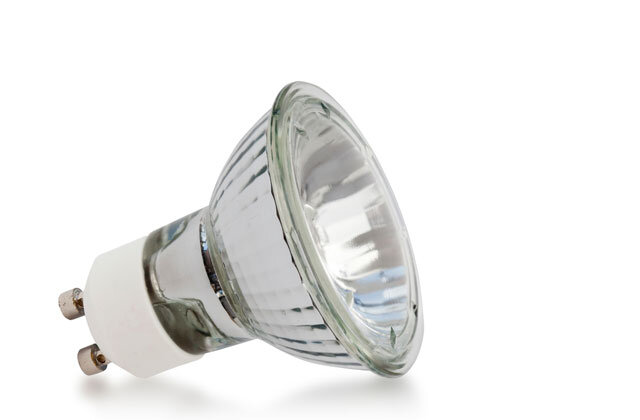
  • Halogen bulbs are also dimmable. The dimmers must be compatible with the transformer; they are more expensive to buy than standard dimmers for incandescent light bulbs.
  • Energy-saving light bulbs: Many energy-saving light bulbs, also known as compact fluorescent lamps, are not dimmable. Dimmable models must be explicitly labelled as such.
  • LED bulbs: These must also be labelled as dimmable. As dimmable LED bulbs are controlled differently from other light bulbs, the dimmer must be suitable for LEDs. However, this does not mean that every LED dimmer is compatible with every LED lamp: there can be significant differences in dimmability even between products from two different manufacturers.


Energy-saving light bulb for dimming

Energy-saving light bulbs generally require a leading-edge dimmer. However, energy-saving light bulbs do not work with a sensor or touch dimmer, as these are electronically controlled.

Make sure that, if your energy saving light bulb is new, you operate it at full brightness for the first 100 hours. This is the only way it will reach its full brightness and also last longer.

Incandescent Bulb for Dimming

Incandescent light bulbs can be operated with both leading-edge and trailing-edge dimmers. However, due to their poor energy efficiency, incandescent light bulbs are increasingly being phased out of the market and are now only sold as clearance stock.

Halogen lamp for dimming

High-voltage halogen bulbs can be dimmed using both dimming techniques.
Low-voltage halogen bulbs are available with either a conventional or an electronic transformer. With conventional transformers, you must use a leading-edge dimmer; with electronic transformers, a trailing-edge dimmer.

So-called retrofit LEDs in the classic incandescent bulb shape have an integrated transformer so that they can be fitted into old bulb sockets. Permanently installed LEDs generally require an electronic ballast (transformer) to reduce the operating voltage and convert alternating current into direct current. The transformer is concealed within the housing.

Different dimmer technologies

There are various techniques you can use to dim your lights. We’ll introduce you to the leading-edge dimmer and the trailing-edge dimmer. These work in different ways and are therefore suitable for different types of lighting.

You can read about how the two dimmer technologies work and how they differ in our Wiki entry on dimmers.

  • For conventional (=wound) transformers, a leading-edge dimmer is normally required,
  • for electronic ones, a trailing-edge dimmer;
  • devices compatible with more lamp types are referred to as universal dimmers; they detect the type of lamp or voltage involved and adjust automatically accordingly.

Which dimmer for LED bulbs?

LEDs can often be dimmed using a leading-edge or trailing-edge dimmer. However, there are also innovative methods such as pulse width modulation and the DALI interface for ‘Smart Home’.

There are various ways to control the dimmer, which we would like to introduce to you below:

Dimmer Control for Lamps

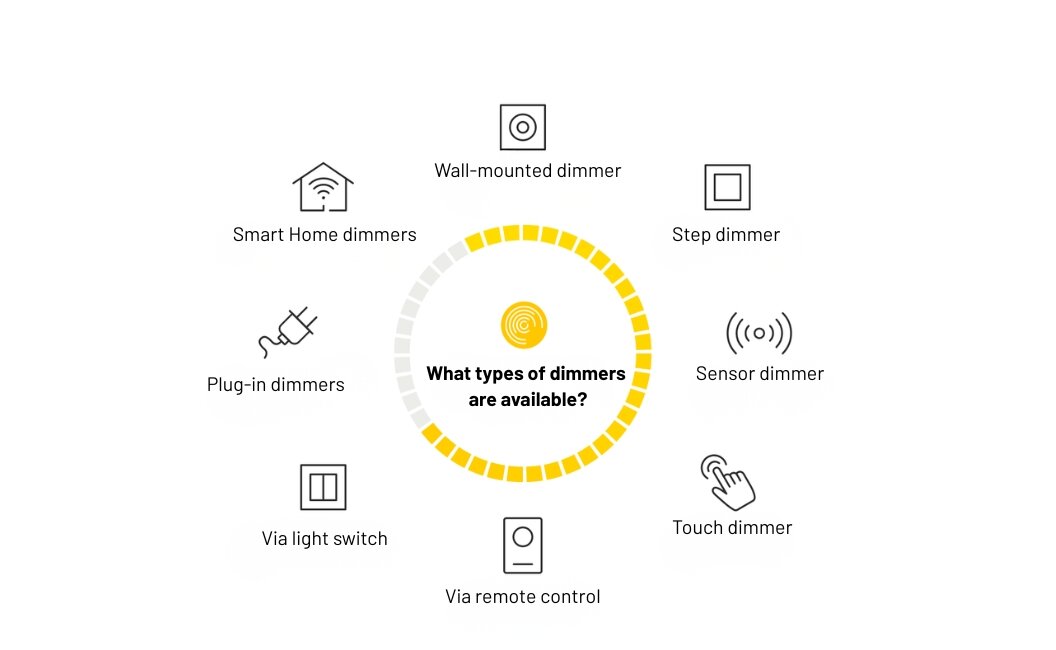
Overview of symbols and dimmer controls

External dimmers are separate devices installed between the power source and the lamp. They are not integrated into the lamp but are fitted or installed separately and are therefore not included in the scope of delivery.
Therefore, dimmable light bulbs must be selected.
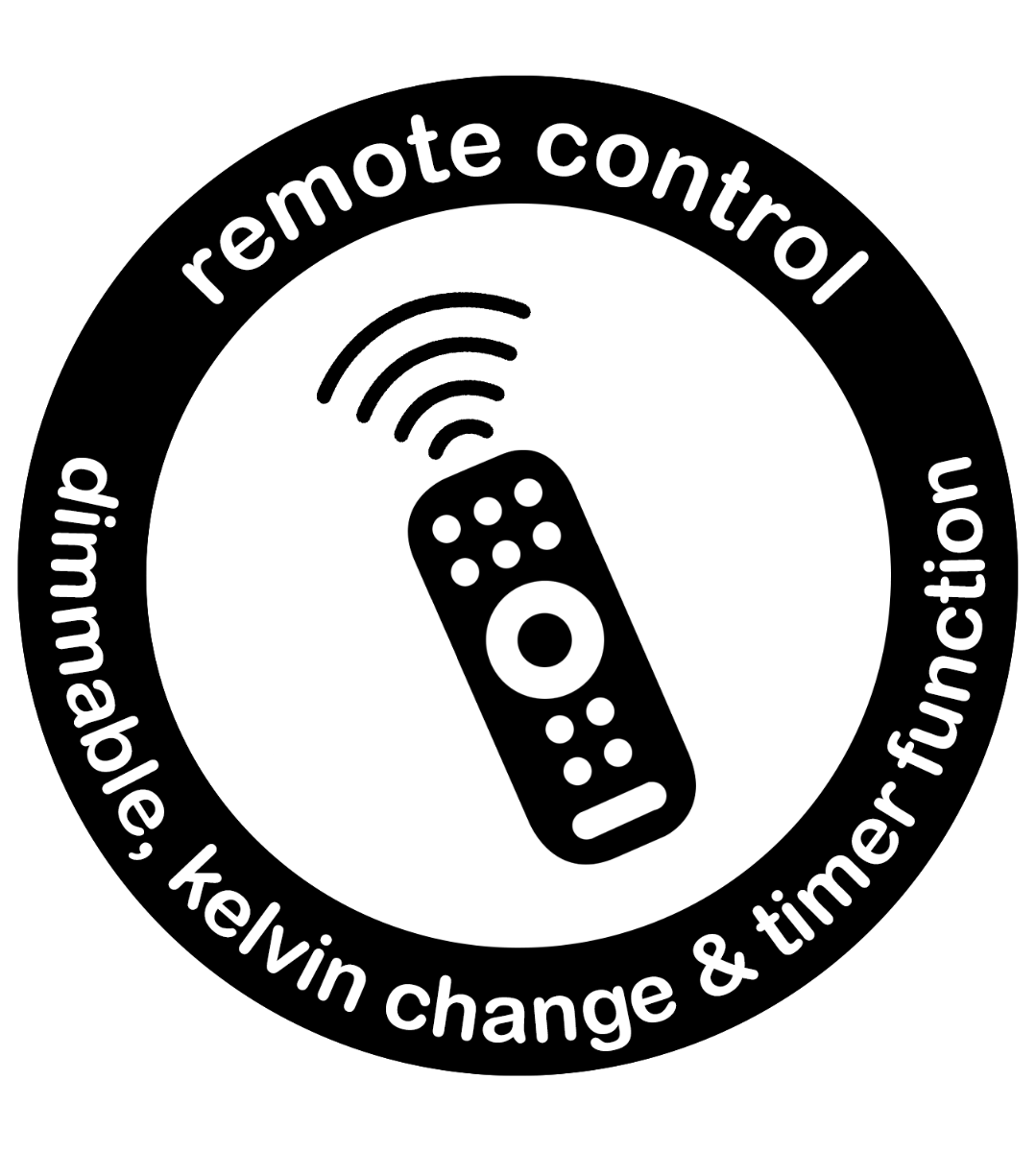
Bulbs with built-in dimmers come with a remote control. This allows wireless control of brightness from a distance. Additional functions such as colour changing or scene modes are often available too.
Wall-mounted dimmers replace the conventional light switch in the wall and must be fitted in advance. They can be designed as rotary dimmers, slide switches or push-button dimmers. To use a light switch as a dimmer, the lamp must be fitted with LED bulbs that are labelled as ‘Dimmable’.

A touch dimmer is a built-in dimmer that controls the brightness of a lamp in fixed, pre-set steps or continuously by touching a sensor.

Built-in dimmers can be controlled via the On/Off switch on the lamp housing.
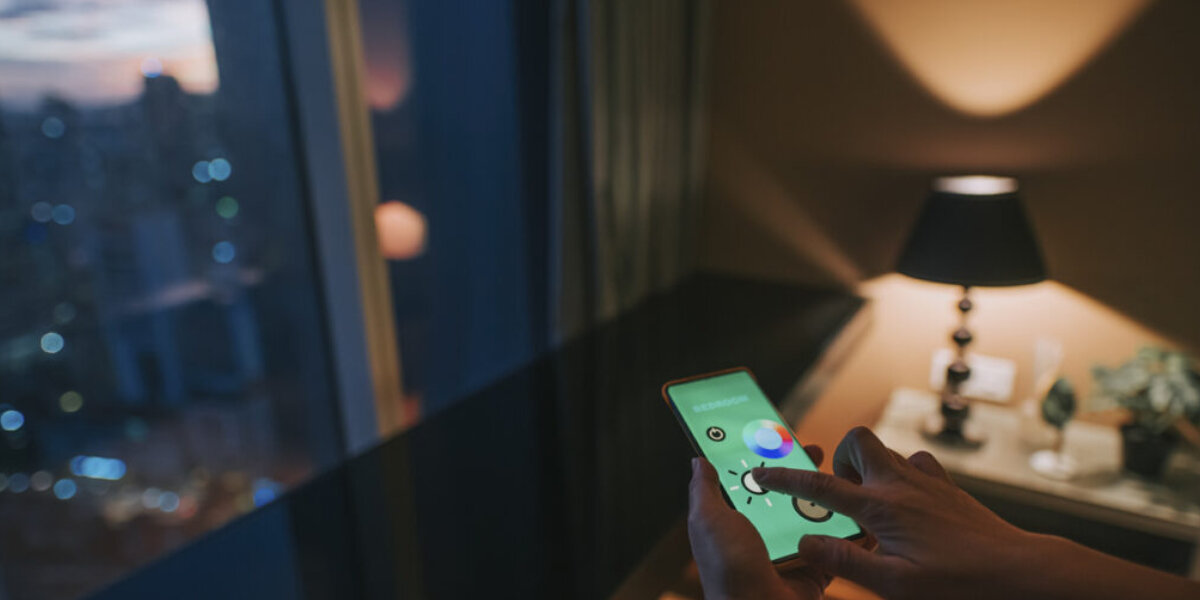
This dimmer control requires a connection via Wi-Fi or Bluetooth. Smart lamps with built-in dimmers can be controlled via a smartphone App, voice control or remote control.
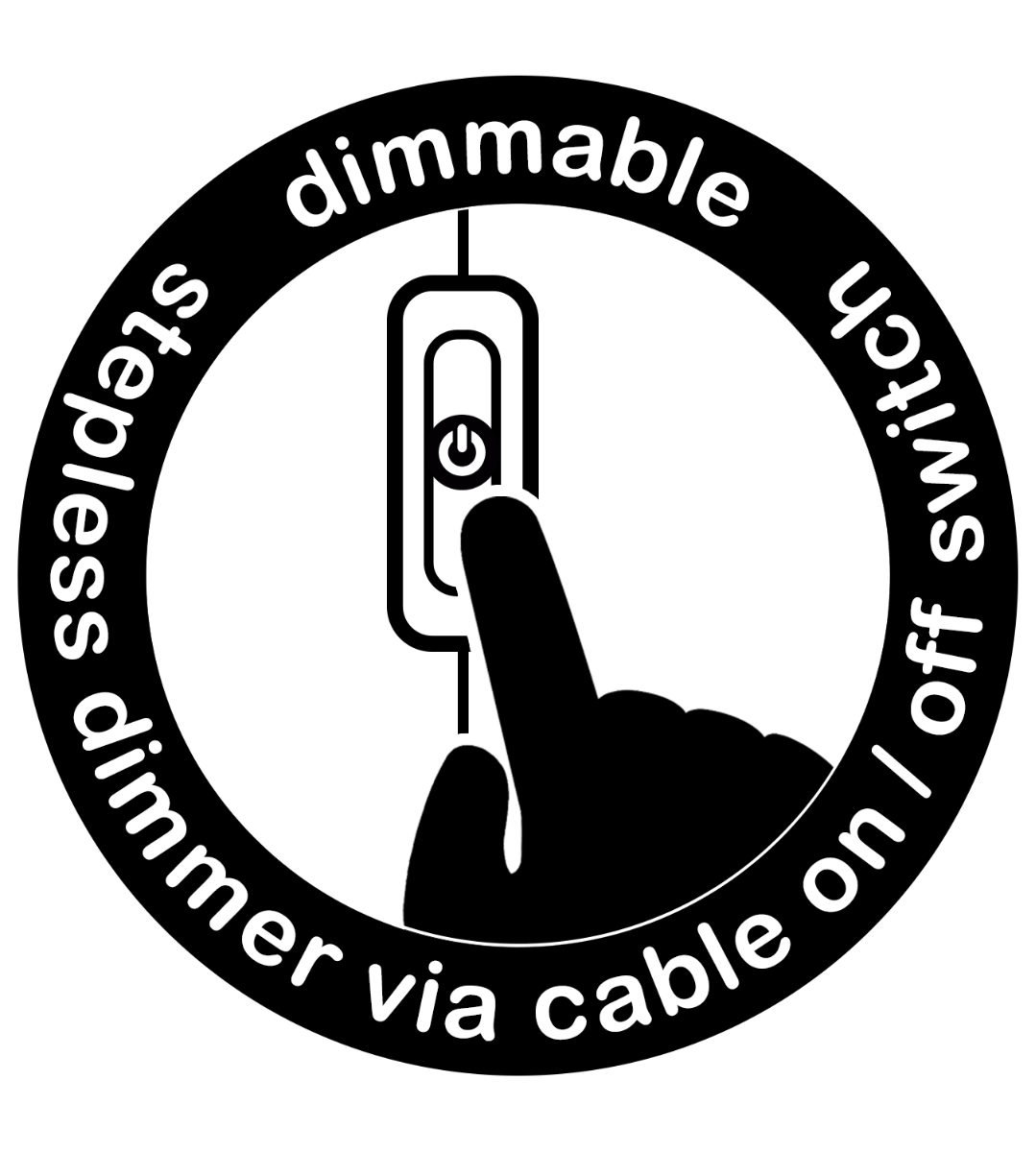
Built-in dimmers can also be controlled continuously or in preset steps using the foot switch on the lamp’s cable.

External dimmer

External dimmers are separate devices installed between the power source and the lamp to control the lamp’s brightness. They are not integrated into the lamp itself, but are fitted or installed separately and are therefore not included in the scope of delivery. This also includes dimmable light bulbs, which must be selected separately.

Here are the different types of external dimmers and their control options:

Wall-mounted dimmers

Wall-mounted dimmers replace the conventional light switch in the wall and must be installed in advance by a qualified electrician. They can be designed as rotary dimmers, slide switches or push-button dimmers and can be controlled by turning, sliding or pressing. To use a light switch as a dimmer, the lamp must be fitted with dimmable LED bulbs that are labelled as ‘dimmable’. If non-dimmable LEDs are used, both the bulb and the dimmer may be damaged.

Plug-in dimmer

These dimmers are plugged in between the socket and the lamp’s plug. Control is via a rotary knob or slider on the plug-in device itself. This allows the connected lamp to be dimmed without the need for a permanently installed wall switch. Plug-in dimmers are particularly practical for table lamps, floor lamps and other portable lamps.

Smart Home Dimmers

Smart home dimmers offer a flexible and convenient way to control lighting in a connected home. Installation requires configuration via an App or, depending on the system, a hub to connect and control various devices. A connection via Wi-Fi or Bluetooth is also required. Smart lamps with built-in dimmers can be controlled via a smartphone App, voice control or remote control.

Built-in dimmer

Built-in dimmers are dimmers that are built directly into the lamp rather than being installed as separate external devices. These dimmers are specifically designed for the lamp and are sometimes controlled 

  • via a wall switch
  • via a button on the lamp housing
  • via the foot switch on the lamp cable

in a continuous manner or in preset steps.

Built-in dimmers offer the advantage of ease of use, as no additional external dimmers are required. They can sometimes be controlled simply via conventional light switch.

Dimming via light switch

Lamps with integrated LEDs and dimmable light bulbs that can be dimmed via a conventional light switch often use a special control mechanism that cycles through different brightness levels when the light switch is pressed repeatedly. This method allows dimming without replacing the existing light switch.

Dimming with a remote control

Lamps with built-in dimmers come with a remote control. This remote control allows you to adjust the brightness wirelessly from a distance. Such remote controls often offer additional functions such as colour changing or mood lighting presets.

Touch dimmer

A touch dimmer is a modern and user-friendly dimmer that controls the brightness of a lamp by touching a sensor. It offers an elegant solution for lighting control and is ideal for various living areas.

A distinction is made between:

  • Step dimmers: control the brightness of a lamp in fixed, pre-set steps
  • Stepless touch dimmers: control the brightness of a lamp without pre-set steps

Depending on the design and model, switching on and off can be done by a simple tap or a brief touch.

Step dimmer

A step dimmer is a type of dimmer that regulates the brightness of a lamp in fixed, pre-set steps, offering a specific number of brightness levels—for example, 3 or 5 steps—and is particularly suitable for areas where a rough adjustment of brightness is sufficient. The dimmer can usually be controlled via the lamp itself, for example via the On/Off switch on the lamp’s housing or via a foot switch on the lamp’s cable.

Sensor dimmer

Sensor dimmers offer a modern and user-friendly way to control lighting without mechanical switches or controls. Some sensor dimmers can react to the approach of a hand or a body without requiring physical contact.

Not dimmable lamp

If a lamp is labelled ‘not dimmable’, it cannot be dimmed even with additional accessories.

Different dimming technologies are available for different types of lamps. As not every dimmer is suitable for every type of lamp, you should check beforehand which dimmer you need for which lamp.

Connecting an unsuitable dimmer can render the bulb, the lamp and the dimmer itself inoperable. Things become complicated if you want to operate more bulbs with the same dimmer, or use an existing dimmer with new, different types of bulbs, for example when replacing old halogen bulbs with LEDs.

You will find information on dimmability in the product description of a bulb. Ask a specialist retailer or an electrician if you are unsure whether a bulb is dimmable or which dimmer is suitable.

Popular Articles

Latest Articles